Task 1: Start a rock collection

In New Zealand, I collected rocks from various places, which includes sedimentary rocks such as shales and sandstone, and river pebbles.
Task 2: Scientific name of a plant
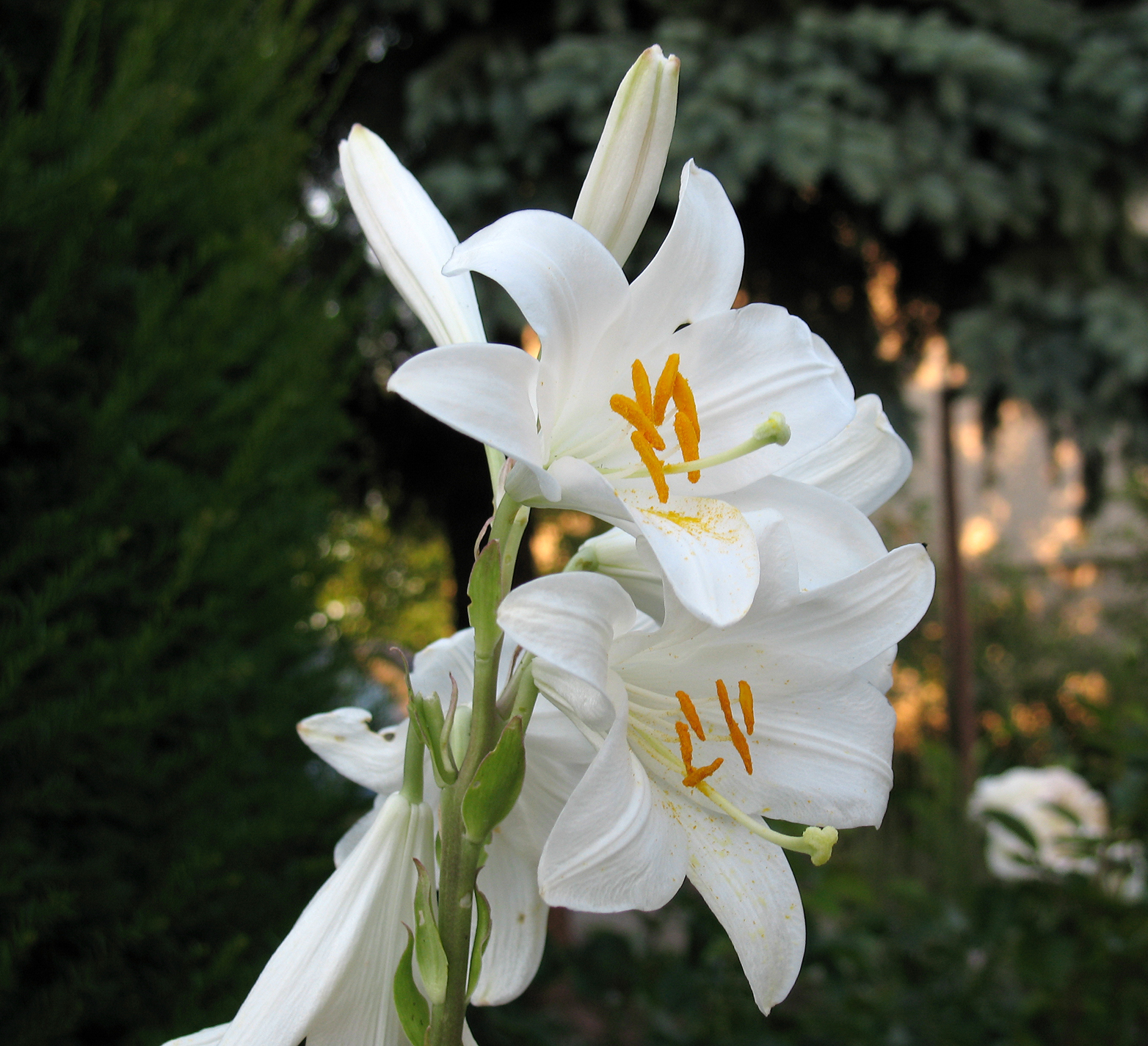
Task 3: Find a streetlight or backyard light and watch for insects who flutter into it
When I saw outside in the night near a streetlight, I noticed that there was a bunch of insects flying around it. Now, this wasn't new, but I never understood why they flew around the light. So, I searched up why.
A favored hypothesis is that the insect's brains are programmed to keep a bright light at a certain angle on its eye. Before humans came along and invented artificial light, the only way to fly by was the moon. And since the moon is 280,000 miles away, the insects were able to fly in a relatively straight line. The system of travel for insects doesn't work nowadays because the artificial lights (streetlights, lamps, light-bulbs, etc) shine in all direction (or a full circle), so the insects end up traveling in an endless circle around the light.
Task 4: Learn to Identify Poison Ivy

Poison ivies have three divided leaves, its center leaf is on a longer stalk, and there is white berries along the stem. Sometimes, it appears as a low, upright shrub, while other times, it is a vine that can climb up to sixty feet high.
Poison ivies usually reside in flood plains and upland forests, along roads, railroads, streams and fences.
Task 5: Blossom Arrangement
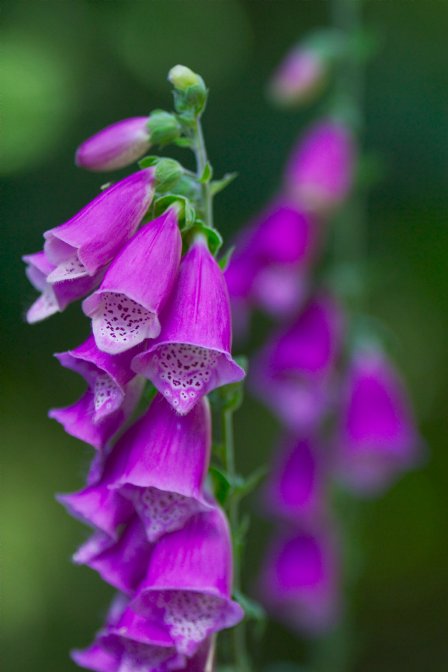
Foxgloves: The foxglove flower is a corymb because its flowers come out directly from the stem.

Coriander: Coriander flowers have an umbel arrangement, which means that it's flowers come out from the top of the stem into tiny different ones.

No comments:
Post a Comment